
Work with me
Close the gap. Build the team.
Every engagement starts with the same question: what’s the gap between the team you have and the team you need? Then we close it, using coaching and positive psychology to build on what your team already does well.
Flagship team session
The Tribal Gap workshop
My most popular and effective team session, refined over years with sporting clubs and businesses.
The “tribe” gives an honest assessment of where it is now, where it wants to go, and everything holding it back. Then, together, the team defines its own values and the non-negotiable behaviours that uphold them. Because the team writes them, the team owns them.
What your team walks away with
- A simple, powerful set of “tribal” values
- Clear, non-negotiable team behaviours
- More motivation and performance from disengaged members
- A better understanding of team dynamics and leadership
- A stronger sense of belonging, and less conflict
Then: peer feedback sessions run directly against the behaviours the team created. How they work →
The process
How a team engagement runs
Discover
What does the team actually want, and what will it sacrifice? We get the group “at cause” (results, not reasons), then use DISC and VIA strengths profiling so everyone understands each other.
Define
We name the current culture honestly, then the team chooses 3–5 values (how it wants to be seen) and lists every behaviour needed to live up to them.
Embed
The team commits to its non-negotiables, runs peer feedback sessions against them, and its leaders learn to drive the values and act when the standard slips.
Confirm workshop length (half day or full day), typical team size, and whether to show prices or “from” pricing.
Where every engagement starts
Two questions I love to ask an existing team
1.
If we were starting this team again, who would you want on it?
2.
If we were starting this team again, who would you not want on it?
The answers are rarely about talent. They’re about behaviour. That’s exactly what we go on to fix.
The part most teams avoid
Peer feedback that actually works
Once the team owns its values and behaviours, each person receives honest, structured feedback from their peers, judged only against what the team agreed. It’s never personal, and it’s never a free-for-all.
How the team sees you right now
What you should start doing
What you should stop doing
What you should keep doing
How a session runs
While each person completes a self-assessment in another room, the group agrees on its feedback. The whole group must own every word: if someone strongly disagrees, it doesn’t go down. The person then returns, hears the feedback in silence, and reads their self-assessment back. The gap between the two becomes their personal action plan.
The boundaries
- Listening
- Body language, from both giver and receiver
- No humour
- Clear, concise feedback
- Owning the feedback
For leaders
Leadership coaching
Culture starts at the top. One-to-one coaching for captains, coaches, managers and CEOs who want to lead the culture instead of chasing it.
- Giving (and receiving) feedback that lands
- Dealing with conflict and difficult conversations
- Holding the standard without losing the room
- Your own mindset, energy and resilience under pressure
Format: in person in Melbourne or online by video.
For events
Speaking & workshops
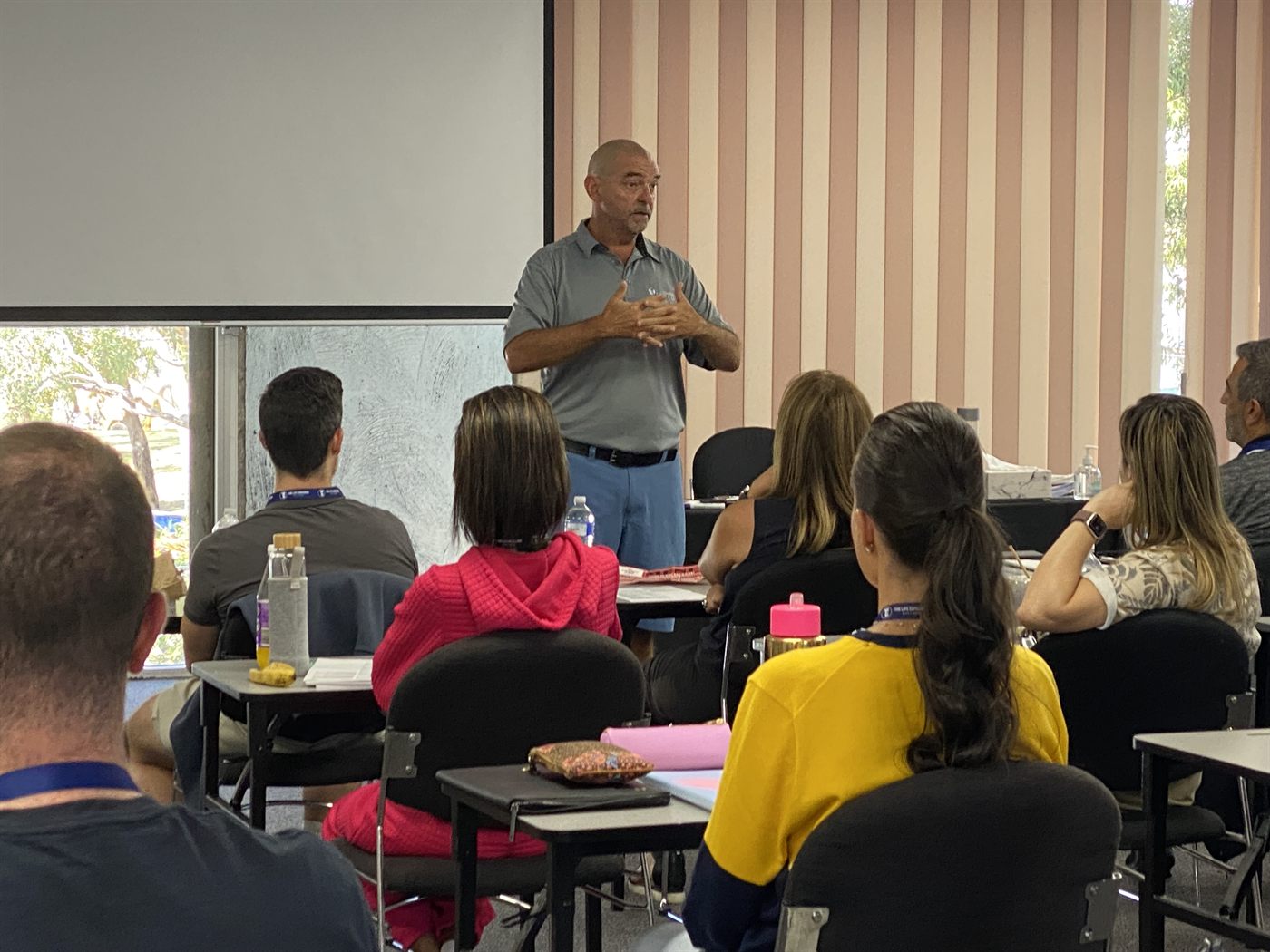
Energetic, practical and memorable. Glen speaks to conferences, clubs, schools and leadership teams.
Leading the Tribe
How great leaders build culture through shared values, clear standards and honest feedback.
The Champion Mindset
Ten everyday habits that separate the people and teams who thrive from those who just get by.
Breakthrough Principles
Glen’s 25 principles for success: add value, persist, and don’t be beige.
Questions
Frequently asked questions
What size teams do you work with?
Anything from a leadership group of five to a full playing list or department. The Tribal Gap works best when everyone who needs to own the culture is in the room.
What does positive psychology have to do with team performance?
Positive psychology is the science of what helps people and groups flourish. Instead of only fixing weaknesses, we identify each person’s character strengths and build the team around them. Combined with coaching, where the team finds its own answers, it creates change people believe in and stick to.
Is this sport psychology or therapy?
No. My background is in sport science and sport psychology, but what I offer is coaching: future-focused, strengths-based and action-oriented. If someone needs clinical support, I’ll say so honestly and point them in the right direction.
Do you only work with sporting clubs?
No. The principles are the same whether the scoreboard is premiership points or quarterly results. I work with clubs, businesses, schools and not-for-profits.
What happens on a Team Discovery Call?
A relaxed 30-minute conversation about your team: what’s working, what isn’t and what success would look like. You’ll leave with clarity on your biggest gap, whether or not we work together.
Can sessions run online?
Leadership coaching works beautifully online. Team workshops are best in person, but hybrid and online options are available.
Let’s find your team’s gap.
A free 30-minute Team Discovery Call. No pressure, just clarity.